





Why Italy’s Hidden Gems Will Be The Trips Everyone Talks About In 2026
Let’s be honest. Most people don’t really travel to Italy anymore. They repeat it. Rome, Florence, Venice, maybe a rushed stop in Cinque Terre, and home. Great photos, familiar stories, zero surprises.
However, Italy has thousands of towns , all spread over more than 20 regions. This region of the world hosts an unfair concentration of cultural wealth, food, and landscapes.
However, several average, commonly available itineraries do not really cover any of that. They mostly take you to the common places within Italy.
Travellers, on the other hand, often seek locations that would rejuvenate them. They do not want to go to spots crowded by tourists.
Hence, the travellers should visit these hidden gems of Italy rather than feel claustrophobic in the most crowded places. These places preserve the organic Italian culture.
Planning Italy travel for 2026 is the perfect moment to rethink the usual route.
Crowds are spreading wider than ever, prices in the classics keep climbing, and the smartest travelers are quietly shifting toward lesser-known destinations.
If you want a practical way to rethink your route, start here. This detailed Italy resource from Next Level of Travel helps you discover regions most travelers miss.
It’s not a checklist. It’s a source of ideas for building a smarter, more human-scale trip.
This isn’t about being contrarian. It’s about seeing a version of Italy that still feels spontaneous, affordable, and deeply local.
It’s the kind of trip your friends don’t just “like” on social media but actually ask about later.
Which Are The Hidden Gems In Itally That You Must Visit Accross Different Regions Of The Country?
The hidden gems of Italy can be found across the country’s diverse regions. These regions can be categorized into Northern Italy, Southern Italy, Central Italy, and others.
You get a complete experience of exploring culture, food, and nature.
1. Northern Italy: Where Elegance Still Feels Lived-In
We generally promote Northern Italy with things like Milan Fashion, Lake Como Villas, and Venice Crowds.
However, the Northern part of the country stores much more than these handful of things.
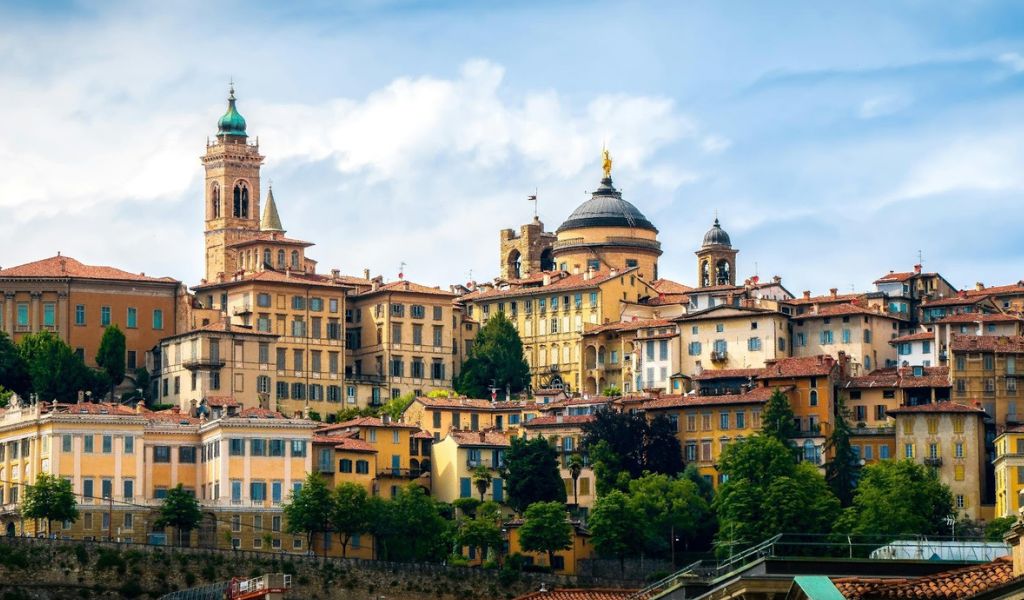
People often see Bargemo as two cities stacked on top of each other. Moreover, the city appears to be like that.
On the other hand, the quiet piazzas and the Venetian walls with stone staircases wrap the Citta Alta.
Moreover, locals still outnumber tourists in places like Cita Alta. Thus, this provides you with a proper organic taste of Italy.
Hence, this provides the most authentic experience for those willing to explore Italy’s culture in the best possible way.
Ride the funicular up at sunset, and you’ll see why people who discover Bergamo rarely stop at one visit.
Then there’s Trento, perched between Italy and the Alps. It’s orderly, alpine, and culturally blended. Austrian precision mixes naturally with Italian warmth.
Renaissance palazzi, mountain views, and prices that haven’t been pushed sky-high by hype make it an easy place to linger.
If Cinque Terre feels overwhelming, Camogli near Genoa delivers the same Ligurian charm without the pressure.
Fishing boats still dock in the harbor, seafood menus reflect the daily catch, and the village runs on local rhythms rather than tour schedules.
And while Lake Como dominates headlines, Lake Orta and Lake Iseo quietly offer the same scenery at a gentler pace.
You can swim without queues, kayak past lived-in villages, and eat meals priced for residents rather than short-term visitors.
All of these places share one thing. Beauty without spectacle.
2. Central Italy: Authenticity Without The Theater
Tuscany is iconic and increasingly exhausting. Central Italy’s character often lives just outside its borders.
Umbria earns its reputation quickly. Towns like Spello feel organic rather than preserved. During the Infiorata festival, locals transform streets into flower mosaics, not as a show, but as a tradition.
You’re not watching a performance; you’re stepping into daily life.
In Le Marche, Urbino quietly rivals Florence in Renaissance heritage. Its Ducal Palace dominates the skyline, yet you can explore it without crowds or time slots.
It’s the kind of place that makes you question how popularity is assigned in the first place.
For water lovers, Lake Bolsena in northern Lazio is a calm alternative to Italy’s crowded lakes.
Volcanic waters, small-town trattorias, and an unhurried pace make it easy to stay longer than planned.
And Civita di Bagnoregio remains unforgettable. A medieval village clinging to eroding rock, reached by a single footbridge.
Staying overnight changes everything. When the day visitors leave, silence takes over, and the place finally breathes.
3. Southern Italy & Island Escapes Worth Bragging About
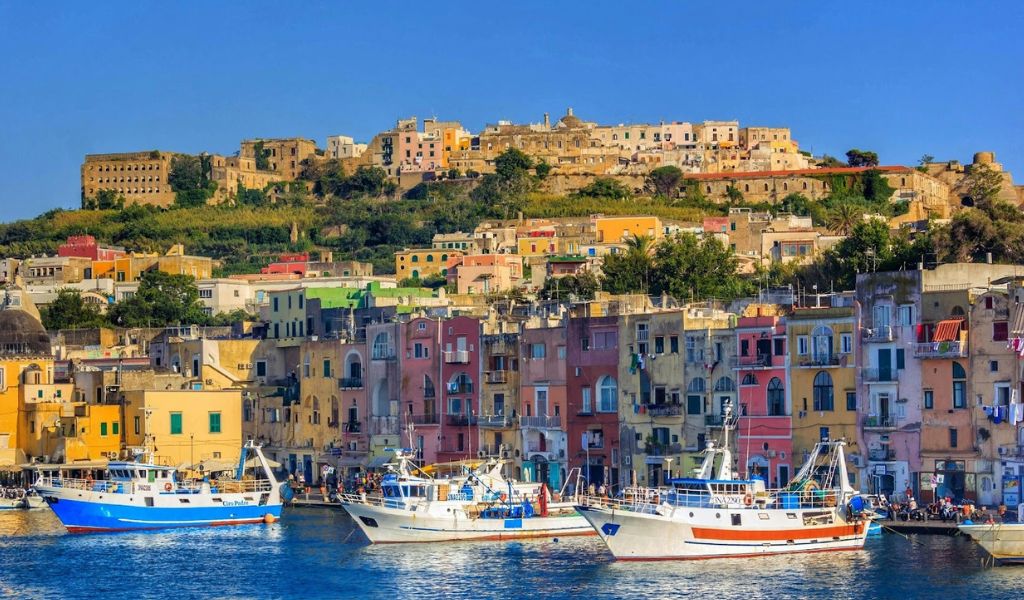
Southern Italy doesn’t try to impress. It simply exists.
Procida, a short ferry ride from Naples, feels less developed than Capri. Pastel houses cascade toward the sea, fishermen work the harbor, and daily life continues regardless of visitors. It’s cinematic without feeling curated.
Further south, Favignana in Sicily’s Egadi Islands delivers raw Mediterranean beauty.
Limestone coves, impossibly clear water, and an island flat enough to explore by bike. Some beaches require effort to reach, which conveniently keeps them quiet.
These places stay special because they remain homes first and destinations second.
Smarter Italy Itinerary Ideas for 2026
When building Italy itinerary ideas, think in contrasts.
- One major city paired with two smaller towns
- One famous stop balanced by an unknown neighbor
- Fewer bases and longer stays
The best places to visit in Italy aren’t always the most photographed. They’re the ones where routines form quickly and days slow down naturally.
A good Italy travel guide helps you decide not only where to go, but also where to skip.
Things To Consider Before Selecting An Itinerary For Visiting Italy
The trips people remember aren’t built from highlights but from moments. A conversation with a shop owner.
A meal that stretches into the evening. A town you didn’t expect to love. That Italy still exists.
In 2026, the real flex won’t be where you went. It’ll be how deeply you experienced it.