



What Is It Like To Live In Malta? Culture, Safety, Cost Of Living, And More
The Maltese Government’s announcements on the Malta Permanent Residence Program (MPRP) indicate a major shift in the country’s investment migration landscape.
According to the announcements on 22nd July 2025, in Malta the Permanent Residence Program will now have the following enhancements.
| Enhancements | Details |
|---|---|
| Immediate Temporary Residency Card | You will have to make a deposit of €15,000 initially to get the Immediate Temporary Residency Card after submitting your application. |
| Instant Rental Income | Property purchasers will get instant leasing rights for instant rental income. |
| Adult Dependent Fees | The adult dependent fees have gone down from €10,000 to €7,500. The reduction rate is 25%. |
| Subletting Rights For Rental Applicants | Rental applicants will get subletting rights after 5 years. |
| Agent Licensing Authority | Residency Malta Agency reserves the transferred right and the transition will be till December 2025. |
With the aforementioned enhancements, and the European Commission reporting 30.8% of the total Maltese population being foreign-born, Malta stands strong as a favorite of migrants and individuals who want to settle in Europe.
But what is it like to live in Malta? In this Dream and Travel article, we will talk about Malta’s strategic location, its culture, quality of life, and more.
Where Is Malta?
Malta is nestled in the Mediterranean Sea. This island country in Europe has Libya, Tunisia, and the island of Sicily in Italy as neighbors.
Located on an archipelago, Malta has three (the largest ones) islands, where people live. These three islands are:
- Malta
- Gozo
- Comino
This small country, with an area of around 300 square kilometers, is a part of the European Union. Also, traveling to Malta is easy as it is in the Schengen Area.
Furthermore, the international airport of Malta is well connected to the capitals of other European countries.
Geography And Population Of Malta
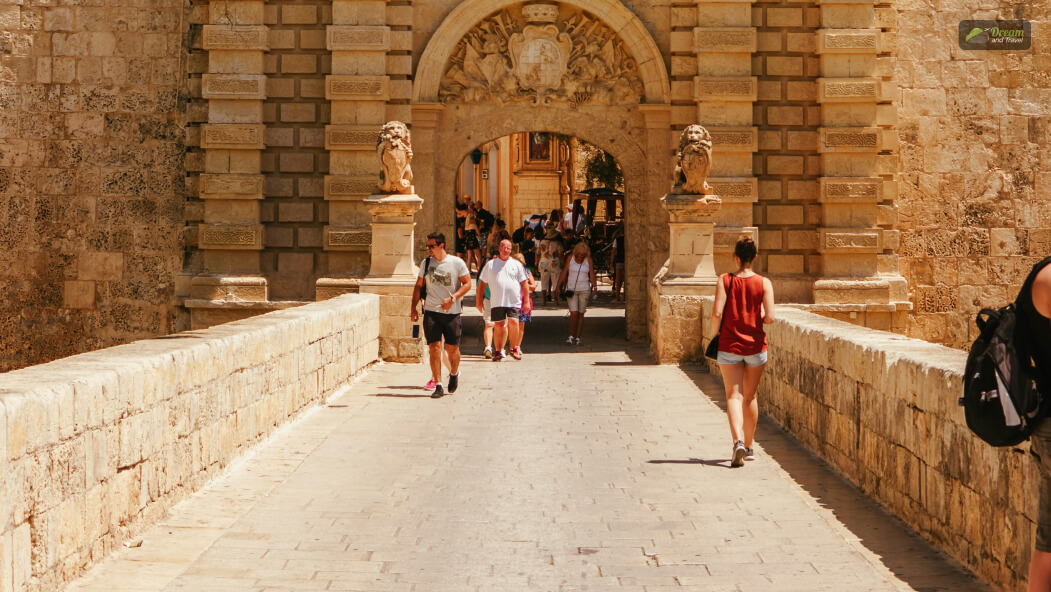
Malta has a quintessential Mediterranean weather with warm summers and mild winters. January and February are the coldest months in Malta. In these months, the temperature on land remains around 12 degrees Celsius, and in the sea, the temperature is close to 15-16 degrees Celsius.
The hottest months in Malta are July and August. The mercury touches 30 degrees Celsius in these months.
Furthermore, the winter and spring seasons, from November to March, bring heavy rainfall to Malta.
Also, as of December 2025, the population of Malta is 548,044, according to Worldometers.
A Brief History Of Malta
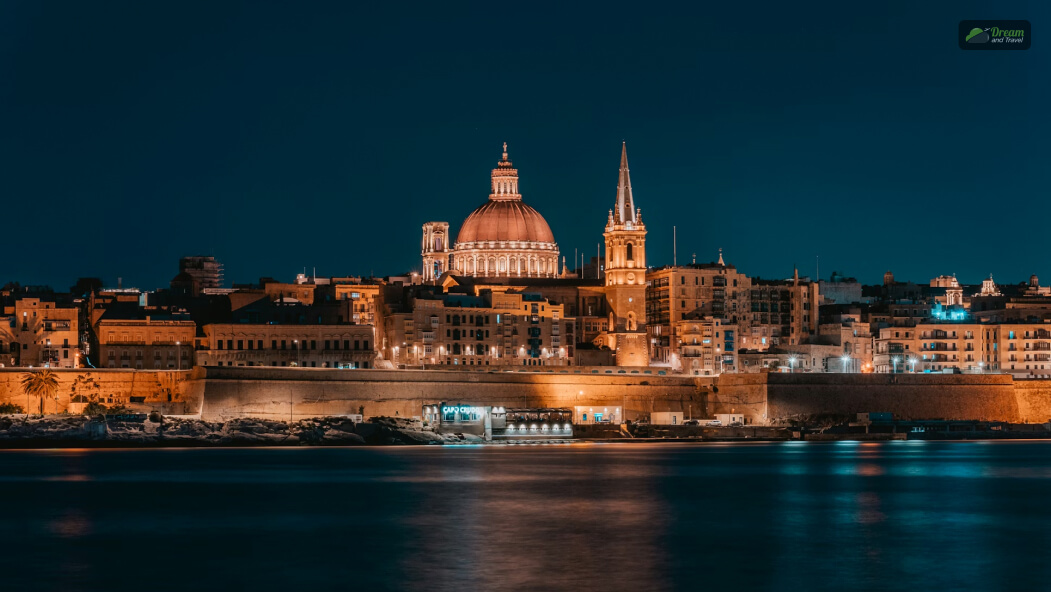
The history of human presence in Malta goes back to 5900 BC. Its strategic location on the crossroads of trade routes between Asia and Europe has always lured the empires and business owners.
The following empires have ruled over Malta at different times.
- The Phoenicians
- The Carthaginians
- The Romans
- The Byzantines
- The Arabs
- The Normans
So, when you visit Malta today, you can expect a truly eclectic experience.
Furthermore, in 1798, Napoleon Bonaparte ruled over Malta before the British took it over. It remained a British colony and became independent in 1964. Still, for the next 10 years, Elizabeth II remained the Queen of Malta, and it became a republic only in 1974.
Finally, in 2004, Malta became a part of the European Union. Today, it is a unitary multiparty republic with the Maltese Parliament being the seat of power. The Parliament is the house of representatives, and the president, as the head of state, is elected every five years.
However, the government headed by the Prime Minister holds the executive power.
Religion And Inclusivity In Malta
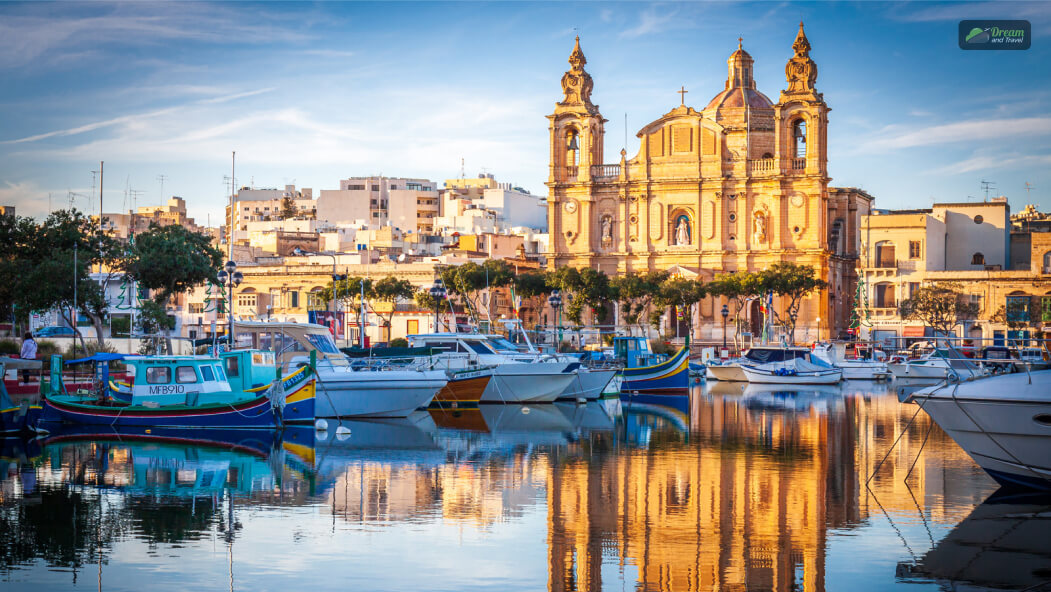
Malta is a Roman Catholic country. However, it has communities belonging to Muslim and Protestant beliefs.
Furthermore, as a country, Malta is inclusive. Since 2027, same-sex marriage has been legal in Malta. Also, a same-sex couple reserves similar rights in the following areas.
- Taxation
- Property Ownership
- Child Adoption
Also, Malta has been consistently leading the ILGA-Europe Rainbow Map with its progressive laws and social scenario. It currently has a score of 88.83%, and it has been standing strong in its position for the last 10 years.
Moreover, you can apply jointly with your same-sex partner for the residency by investment programmes, which also include the “Malta Permanent Residence Programme.”
Culture And Lifestyle In Malta
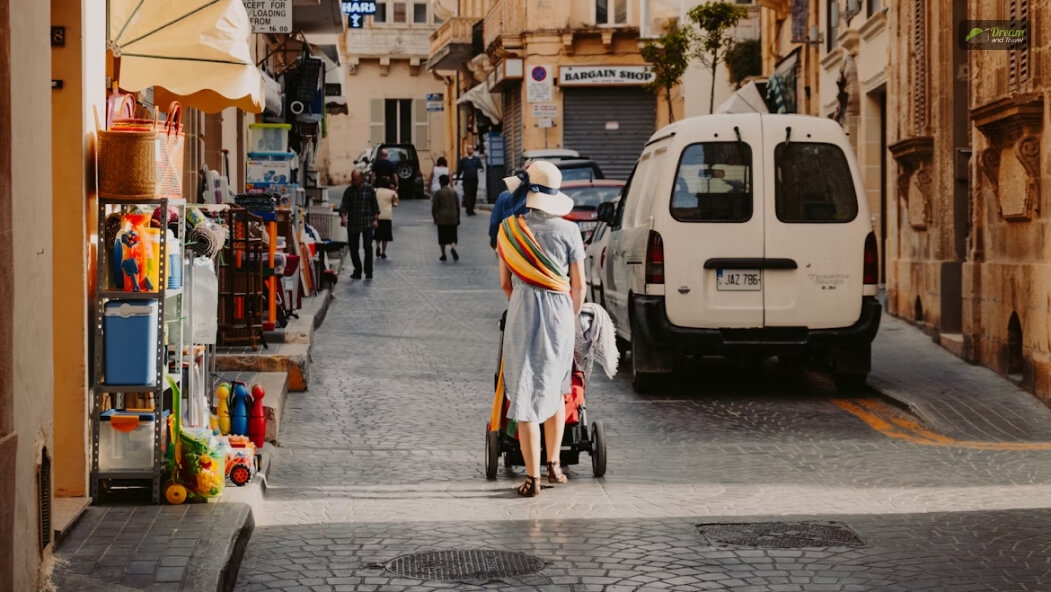
Maltese people are hospitable, and they believe in strong community bonding. Also, as the data from the European Commission shows, it has a growing community of expats.
Furthermore, the country has a laid-back vibe, and it’s a favorite among immigrants and tourists for its sunny vibes. Let’s talk briefly about its food, culture, language, and currency.
1. Food In Malta
Malta serves the quintessential Mediterranean food, with pasta, fresh seafood, tomatoes, and basil being the staples. Its local specialties include Pastizzi, the delightful bean puree, bigilla, wild-thyme honey, goat cheese, and strawberries.
TasteAtlas highlights that Malta, despite having a typical Mediterranean climate, also enjoys several microclimates, helping in the production of thyme, oregano, and other herbs, adding flavors to the dishes.
2. Culture And Lifestyle In Malta
Malta has a palpable cultural scene with jazz, opera, and rock festivals happening year-round. The nightlife in Malta is also quite happening with nightclubs and wine bars.
However, for the most authentic experience, you must attend the summer feasts (Village Festas from May to September) in the Maltese villages. These feasts are often accompanied by stunning fireworks.
Check out the other major festivals and events in Malta.
| Biggest Festivals/Events in Malta | Timing | Specialty |
|---|---|---|
| Karnival ta’ Malta (Carnival) | February | • Parades • Costumes • Dancing • Music |
| Santa Marija | 15th August | • Marks the Assumption of Mary • Biggest Feast of the Year |
| Birgufest (Birgu by Candlelight) | October | • An Evening Ceremony in the Historic City of Birgu (Vittoriosa), Decorated with Lit Candles. |
| Malta International Arts Festival | June | • Theatre • Music • Dance |
| Għanafest | June | • A Celebration of Għana, the Folk Song of Malta |
3. Currency In Malta
The Maltese Lira (Lm) is replaced by the Euro, the official currency of Malta. This replacement happened after Malta became a part of the European Union.
4. Language In Malta
English and Maltese are the official languages in Malta. However, many people here also speak French, and you will find different dialects across various villages and small towns.
What Is It Like To Live In Malta? Quality Of Life In Malta
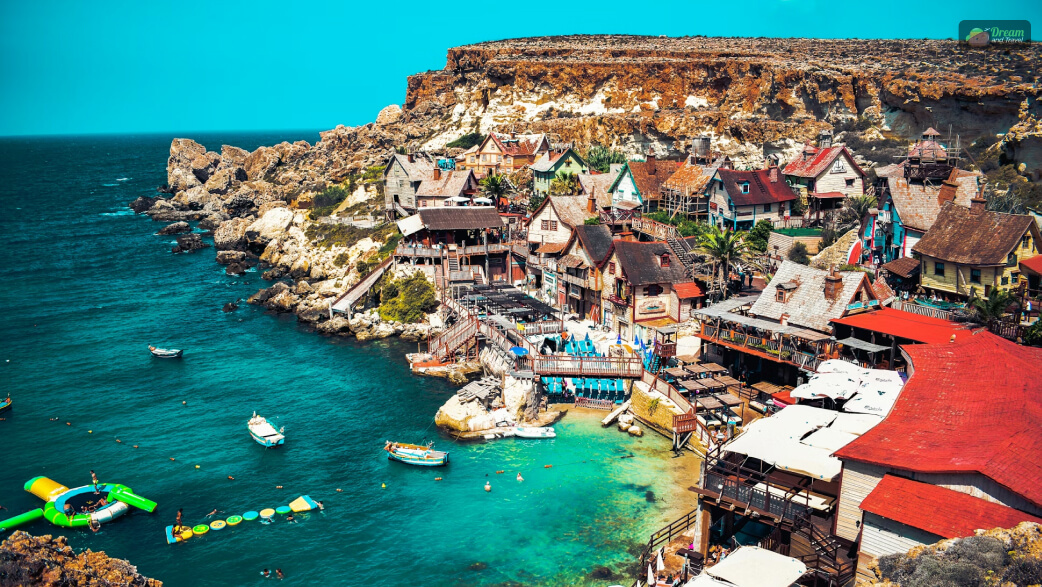
Living in Malta is beyond cherishing the historic streets of Valletta and the Mediterranean beaches. Here are the other aspects that make living in Malta delightful.
1. Cost Of Living
This is probably the only concern for people willing to know about what is it like to live in Malta. The average wage of a person is around $1000-1400 after tax deductions.
However, in Valletta, St. Julian’s, and Sliema, the house rents can be around $1000-1500, leaving little or no breathing space for other expenses.
Still, food, transportation, and healthcare are very affordable in Malta.
2. Education
The education system of Malta follows a British Model. So, children from 5 to 16 years have to attend free schools. The children are taught English and Maltese in the schools.
Thus, they learn the local language and English well to ace their communication skills.
As the schools teach English, it becomes easier for children coming from other countries to develop a sense of belonging and friendships quickly.
3. Safety: A Country With A Low Crime Rate
The crime rate in Malta is 39.20 (Source: Numbeo), which is low. Also, thanks to the security efforts by the police department and the government, the crime rate of the country has been dropping significantly.
However, practice basic precautions, such as taking care of your belongings, in public places.
4. Healthcare System: A Mixed Public And Private Healthcare System
Malta has well-organized public and private healthcare systems. If you are a resident of the country and you contribute to social security as an employed or self-employed person, you have access to public healthcare for free.
This free healthcare includes:
- Specialist Appointments
- Basic Medical Care
- Hospital Treatment
Mater Dei Hospital is the main public hospital in the country. Private facilities such as St. James Hospital also offer timely and affordable support and quick access to treatment for patients.
5. Internet And Connectivity: A Favorite Of Digital Nomads
Malta offers consistent internet and mobile connectivity across its cities and villages. The average speed is between 100 and 500 Mbps, and the prime service providers in the country are Melita, GO, and Epic.
Remember, it is the first European country to have a nationwide 5G network.
Furthermore, with the Nomad Residence Permit, EU Access as a Schengen country, and stable internet connectivity in coworking spaces, Malta is a go-to destination for digital nomads.
No wonder Nomad Capitalist has chosen it as one of the “Best Countries For Digital Nomads in 2025.”
What Is It Like To Live In Malta: Frequently Asked Questions (FAQs)
Here are the frequently asked questions and answers about what it is like to live in Malta.
Valletta is the capital of Malta. With an area of 0.61 square kilometers, Valletta is a UNESCO World Heritage Site.
As a heritage city, it is very concentrated as it has 320 historical monuments. Further, Valletta has become popular as the filming location of Game of Thrones.
Valletta, the capital city of Malta, Mdina, and Mellieha are the main cities and towns of Malta. Mdina, the former capital of the country, is still home to the religious authorities and nobility of the country.
Furthermore, Mellieha is a favorite of tourists traveling with families for its beautiful beaches.
St. Julian’s, Gzira, and Sliema are some of the most popular locations in Malta for expats and foreigners. These areas are well-connected and offer modern amenities.
However, if you want a quiet experience, you can choose places such as Marsaskala and Rabat.
You will not need a visa to stay or work in Malta if you are a citizen of the European Union. However, if you are from any other country, you will need a residence permit to stay and work in the country.
Furthermore, the country has provisions such as the Nomad Residence Permit for freelancers and digital nomads.
Read Also: